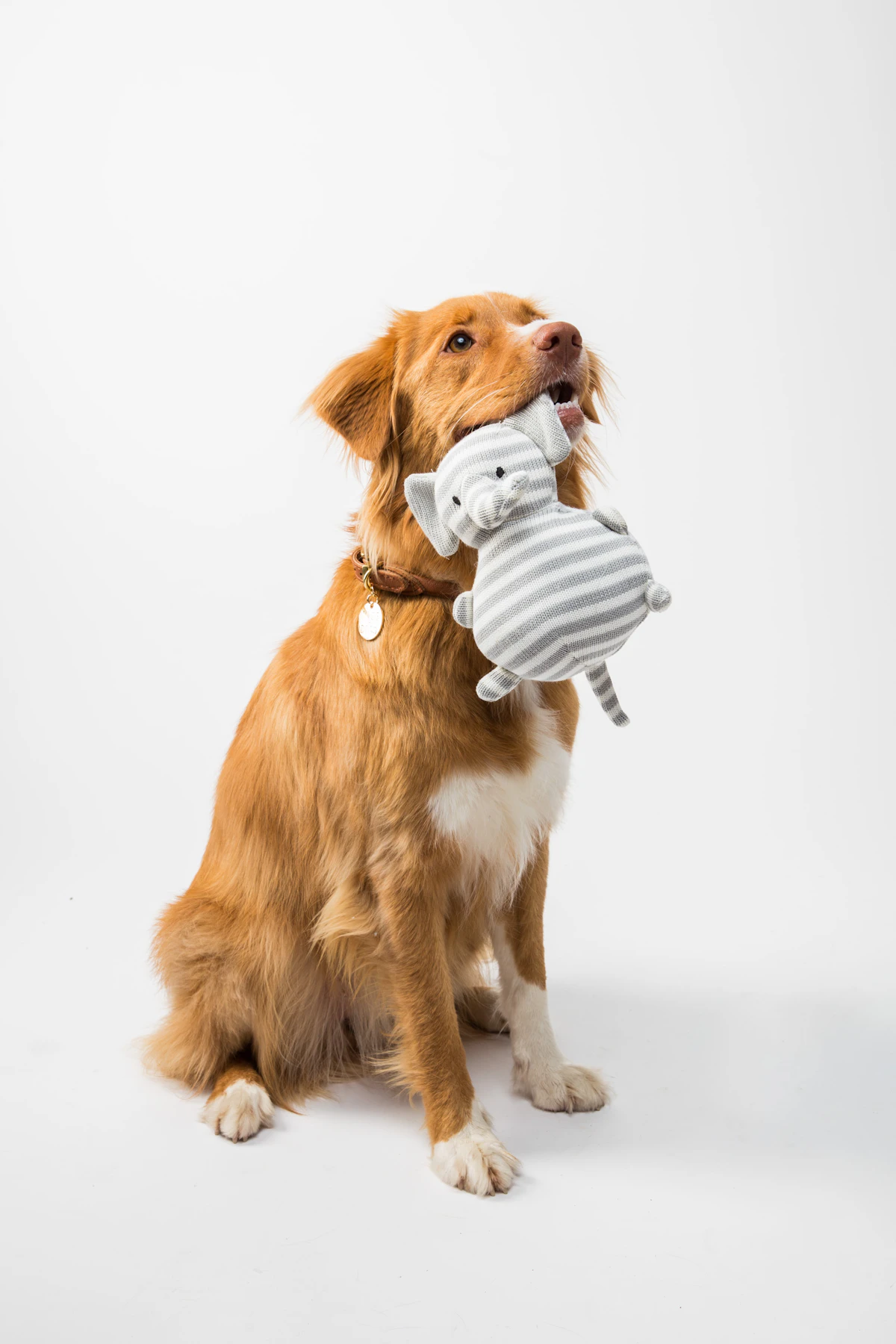
A good kennel runs on routine. Dogs settle faster when the day follows the same pattern, staff make fewer mistakes when everyone knows what happens next, and an inspector can see at a glance that care is consistent. This playbook sets out the day in a boarding kennel from opening to the overnight check, with the licence conditions that apply in England and the records that go with each step.
Licence conditions quoted here come from Defra's statutory guidance for dog kennel boarding in England. Scotland, Wales and Northern Ireland set their own conditions through councils or DAERA, so check yours.
Before opening: the first walk-round
The first job of the day is to see every dog before anything else happens. Look for anything that's changed overnight: a dog that hasn't eaten, loose stools, vomit, lameness, a torn bed, signs of stress. Check water bowls and the temperature. In England the sleeping area must be kept above 10°C and below 26°C.
Write down anything unusual straight away, against that dog's stay. Licensed kennels must monitor food and water intake, faeces and urine, and behaviour every day, and a note made at 7am is far more useful than one made from memory at 5pm.
Toileting and exercise
Dogs must either have constant access to a run or be let out to toilet at least four times a day, and be exercised away from their kennel at least once a day. Nobody should walk more than six dogs at a time. To meet the higher standard, each dog gets two exercise periods of at least 20 minutes.
A simple exercise rota, by run, makes sure nobody is missed on a busy day. Record each session as it happens.
Feeding and medication rounds
Feed from written instructions, never from memory. Every dog's diet, quantity, times and allergies should be on its run card and on the system, and owners' own food should be labelled with the dog's name. Medication is the area where mistakes do real harm, so:
- give medication at set times, from the instructions on file
- record each dose as it's given, with who gave it
- record refused or missed doses and tell the owner if it matters
- keep medication labelled and stored safely, out of reach of dogs and visitors
Arrivals and departures
Scheduled check-in and check-out slots stop four families turning up at once. Have paperwork, vaccinations and payment sorted before the day so the handover is about the dog. Before a new arrival goes into a run, check its vaccinations are current, its feeding and medical notes are on its card and any consent forms are signed. At collection, give a short update on how the stay went. We cover this in detail in making check-in and checkout easier.
Cleaning and disinfection
Kennels need a written cleaning and disinfection procedure, and staff need to follow it the same way every day. Spot-clean through the day, clean each run fully between occupants, and keep a separate routine for isolation units. Laundry, bowls and toys need their own process so they don't move between dogs from different households without being cleaned.
Staffing the day
The England minimum is one member of staff for every 25 dogs, and one full-time member of staff for every 15 to meet the higher standard. Plan the rota around the busy points (morning, feeding and exercise rounds, arrivals and departures) rather than spreading people evenly. Keep training records for every member of staff, because the licence requires them. Our article on hiring and training kennel staff covers what to teach first.
Keeping owners in the loop
Owners worry. A photo and a sentence partway through the stay ("Bailey has settled in and loves the afternoon walk") heads off a lot of anxious phone calls and tends to get shared. Pick a time of day for updates so it becomes part of the routine rather than something that happens when someone remembers.
Admin, without eating the afternoon
The office side of the day is answering enquiries, confirming bookings, chasing vaccination certificates and taking payments. Much of it can happen without you: online booking with live availability, automatic confirmations and reminders, deposits at booking and invoices sent before collection. The time saved goes back onto the kennel floor.
Evening and overnight
The last round of the day checks every dog, water and bedding, and makes sure the kennel is secure. In England, each dog must be checked at least once overnight, in person or by CCTV, and the check recorded. You also need a written emergency plan, working smoke detectors and at least one carbon monoxide detector, and a key holder who can get to the kennel within 30 minutes.
Records: the thread through the whole day
Almost every step above produces a record: the register of who is staying, vaccinations, feeding, medication, exercise, overnight checks, incidents and cleaning. They must be kept for three years and electronic records backed up. Keeping them as you go is quicker than writing them up later and much easier to show an inspector. See our guide to boarding forms for what to collect from owners, and the licensing guide for the full list of conditions.
Running a cattery
The rhythm is similar with a few changes. Cats must be checked at least every three hours between 8am and 6pm, adults fed two meals at least eight hours apart, and food, water and litter kept at least 60 cm apart. Cats from different households never share a unit or an exercise area. Our cattery licence guide has the details.
How KennelBooker supports the routine
KennelBooker's daily overview shows arrivals, departures, the dogs on site and any dietary or medical flags on one screen, so the morning walk-round starts with the right information. Run cards with contact details, feeding instructions and medical notes print individually or in one batch at check-in. Feeding, medication, exercise and toilet breaks are logged against each stay, team tasks sit on to-do lists next to the bookings, and staff hours are recorded in the same system. Quick check-in handles the morning rush, and you can email an owner a photo postcard straight from the booking.
Frequently asked questions
How do you run a boarding kennel?
With a fixed daily routine that everyone follows: a morning check of every dog, feeding and medication rounds from written instructions, exercise and toileting, scheduled arrivals and departures, cleaning and disinfection, records kept as you go, and an evening and overnight check. Licensed kennels in England also have to meet the conditions in Defra's guidance.
How often do kennel dogs need to be let out?
Under the England licence conditions, dogs must either have constant access to a run or be let out to toilet at least four times a day, and be exercised away from the kennel at least once a day. The higher standard asks for two exercise periods of at least 20 minutes.
Do kennel dogs need to be checked overnight?
Yes, in licensed kennels in England. Each dog must be checked at least once overnight, in person or by CCTV, and the check must be recorded.
How do you run a cattery day to day?
The rhythm is similar, but cats need checking at least every three hours between 8am and 6pm, adults get two meals at least eight hours apart, and cats from different households never share space. Detailed feeding notes matter more than for dogs, because cats that stop eating need attention quickly.