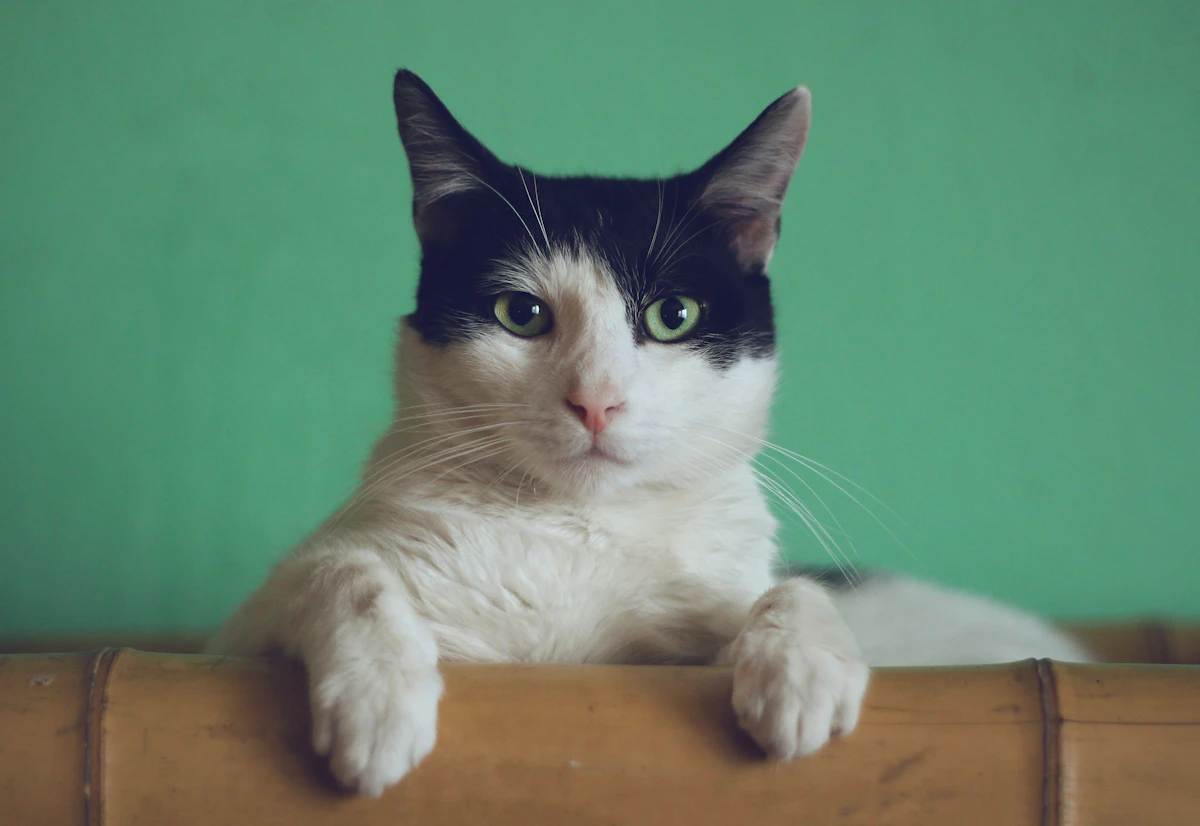
Ask any experienced cattery operator what separates a good cattery from a merely functional one, and they'll tell you the same thing: understanding that cats are not small, quiet dogs. Everything about how cats experience new environments, stress, illness, other animals and human interaction is different from dogs — and a cattery that's designed and managed as though it were a kennel that happens to hold cats will underperform on every measure that matters.
Here's what distinguishes the catteries that clients trust, return to and recommend.
Understanding feline stress — and designing around it
Stress is the number one health risk for cats in a boarding environment. A stressed cat stops eating, hides, becomes susceptible to upper respiratory infections, and is miserable to care for. Chronic low-level stress that goes unnoticed is more dangerous than acute stress that triggers an obvious response.
The primary stressors in a cattery environment are unfamiliar smells, the sound of other animals (particularly dogs), inability to hide, and loss of control over their environment. Good cattery design addresses all of these. Cat chalets should be fully enclosed and sound-separated from dog boarding areas — ideally in a separate building, but at minimum with solid walls and a sound barrier. Each chalet should include a high platform (cats feel safer elevated), a covered hiding box, and enough space to separate sleeping, eating and toileting areas. A cat forced to eat six inches from its litter tray is a cat that will refuse to eat.
Feliway diffusers in the cattery area reduce stress measurably. They're not magic, but in a multi-cat environment they take the edge off the ambient anxiety that builds when many cats are sharing a space, even separated chalets.
Vaccination requirements for boarding cats
The minimum vaccination requirement for most reputable catteries is current cover against feline herpesvirus, calicivirus and panleukopenia (typically delivered as the Feline 3 or similar combined vaccine), plus feline leukaemia (FeLV) for any cats that go outdoors. The bordetella (kennel cough) vaccine is sometimes required for cats in catteries where respiratory infections have been a problem.
Vaccinations should be up to date and the client should bring their cat's vaccination record at drop-off. A cat whose boosters lapsed six months ago has meaningfully reduced protection and poses a risk to other residents. Your booking system should track vaccination expiry dates and send automated reminders to owners before their cat's next stay — just as you would for dogs.
Health certificates signed by a vet within 10 days of boarding are required by some catteries and are increasingly expected by clients as a marker of professionalism, even where not strictly mandated by licensing requirements.
Feeding: the most information-intensive part of cat boarding
Cats are creatures of habit, and nowhere is this more pronounced than food. A cat that normally eats a specific brand of wet food at 7am and 5pm, with a precise portion size, and refuses all alternatives, will not adapt gracefully to a different brand served at different times. The intake form for cat boarding should capture this level of detail: brand, flavour, texture (jelly vs. gravy — this matters to cats), amount, frequency, and whether the cat typically eats in one sitting or grazes.
Ask clients to bring their cat's own food for the stay, or at minimum enough for the first few days until you can source the right product. A cat that doesn't eat for the first two days of a 10-day stay is a cat that will be unwell before it goes home. Early eating is one of the most important welfare indicators for a boarding cat, and it's worth the admin overhead of handling individual food supplies to get it right.
Observation and health monitoring
Cats mask illness better than most species. A cat that appears slightly quiet, slightly less interested in food, slightly less keen to engage might be fine — or might be in the early stages of a serious problem. The difference is visible only to someone who knows the cat's normal baseline well enough to detect a deviation from it.
This is why detailed notes from the owner at drop-off matter so much. "Max is usually vocal when I come to feed him, and he always investigates a new toy immediately" gives you a baseline. If on day three he doesn't greet you and shows no interest in the toy you've brought in, you know something is off. Without that baseline, you have nothing to compare to.
A daily health check — weight for stays of more than 4 days, appetite record, stool consistency, any respiratory symptoms — should be part of the daily routine for every cat. Weight loss in particular is easy to miss by eye and significant when it happens. Weekly weights flagging a 5%+ loss prompt early veterinary attention before the cat is visibly ill.
"Our cats never come back poorly from your cattery. We know that and we've told everyone."
— Cattery client review, Norfolk
Communication with cat owners
Cat owners are, as a group, highly anxious about boarding — often more so than dog owners. This is partly because cats are famously attached to home territory, and the owner knows their cat will be stressed by the change. Managing this anxiety is part of the service.
A photo update every two days during a stay, showing the cat engaged or relaxed (however modestly), reassures owners profoundly. Even a cat that is clearly just sitting in its hiding box looking reserved sends a better signal than silence — it shows the cat is observed, cared for and not obviously distressed. Pair the photo with a brief note: "Cleo has been a bit quiet today but she ate all of her breakfast and has been watching the birds from her platform." Parents of a boarding cat understand that cats take time to settle; what they can't tolerate is not knowing.
Licensing and Feline Advisory Bureau standards
In the UK, boarding catteries require a licence from their local council under the Animal Welfare (Licensing of Activities Involving Animals) (England) Regulations 2018 (or equivalent devolved regulations in Scotland, Wales and Northern Ireland). The star rating system introduced by these regulations means that higher-welfare facilities receive 4- and 5-star ratings, which can be displayed publicly and which informed clients actively seek out.
The Feline Advisory Bureau (now International Cat Care) has published cattery design and management guidelines for decades, and many of the licensing standards draw on their recommendations. A cattery that is designed and managed to FAB standards is a cattery that will consistently achieve high welfare outcomes and strong client trust.